The Allure of Sweden's Iconic Green Cake: Prinsesstårta Unveiled
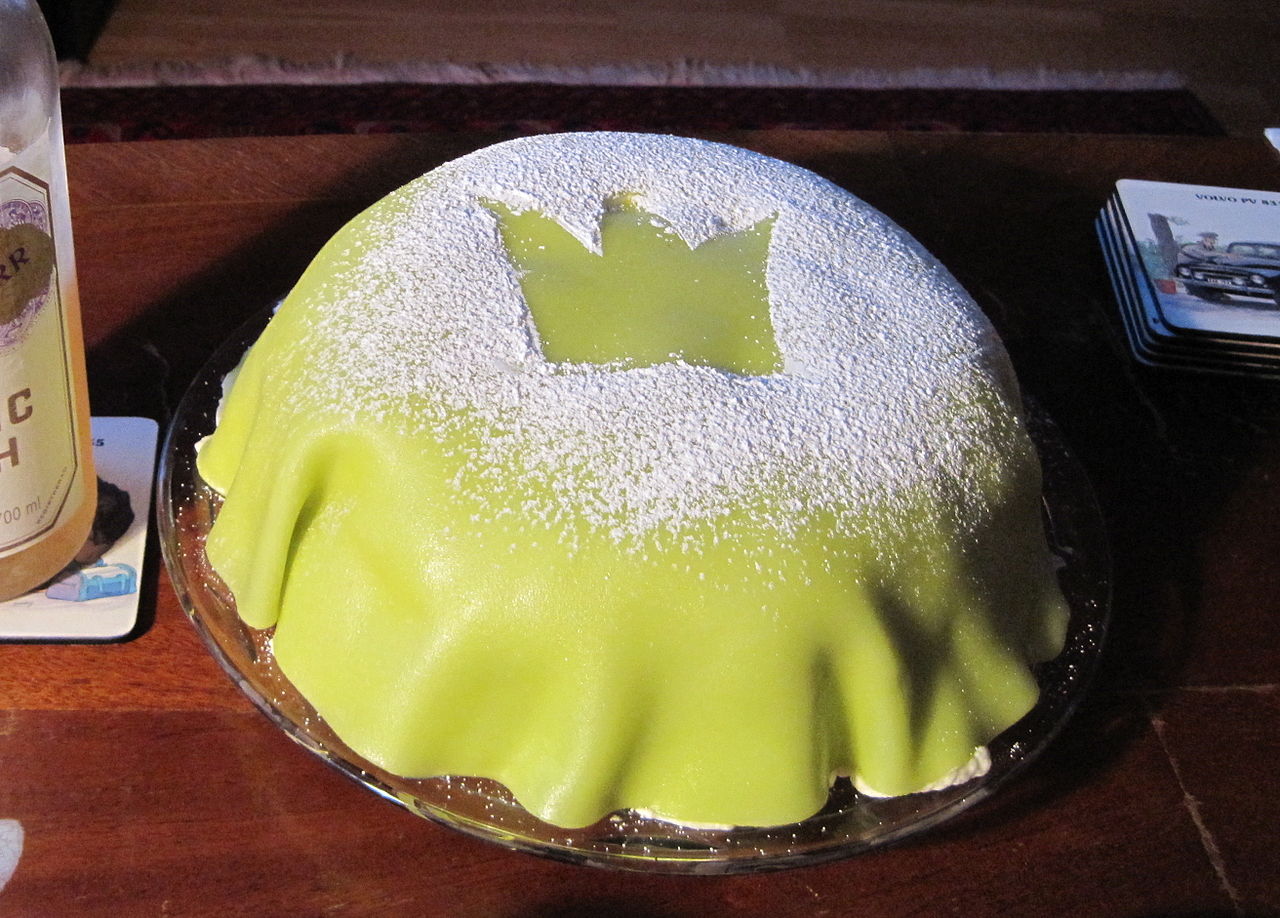
Few desserts capture the heart and imagination quite like Sweden's beloved Prinsesstårta. This visually striking, emerald-green cake, often crowned with a delicate marzipan rose, is far more than just a sweet treat; it's a cornerstone of Swedish culture, synonymous with celebration, tradition, and pure indulgence. From its elegant presentation to its surprisingly light and luscious layers, Prinsesstårta has earned its place as a national treasure, gracing countless coffee tables, birthdays, and festive gatherings across the country. But what exactly makes this Swedish classic so uniquely captivating? Let's delve into the enchanting world of Prinsesstårta.
The Regal Origins of a Swedish Sweetheart
The story of Prinsesstårta is as charming as the cake itself, rooted in royal appreciation and culinary dedication. Its creation is attributed to Jenny Åkerström, a renowned Swedish culinary teacher, who first published the recipe in her 1929 cookbook,
Prinsessornas kokbok (The Princesses' Cookbook). This esteemed volume was dedicated to the three young daughters of Prince Carl, Duke of Västergötland: Princess Margaretha, Princess Märtha, and Princess Astrid.
Initially, the cake bore the simpler, descriptive name "Grön Tårta," or "Green Cake," a direct reference to its characteristic vibrant green marzipan covering. However, as the tale goes, the three princesses developed an extraordinary fondness for this particular confection. Their royal endorsement soon led to its renaming, immortalizing it as "Prinsesstårta," or "Princess Cake." This shift in nomenclature not only paid homage to its admirers but also cemented its regal status in Swedish culinary history, elevating it from a mere green cake to a dessert fit for royalty. To discover more about its fascinating journey from humble beginnings to royal acclaim, explore
Prinsesstårta: Discover the Royal Story of Sweden's Green Cake.
What Defines a Prinsesstårta? Unpacking its Signature Layers
So,
was zeichnet eine schwedische Prinzessinnentorte aus? What truly characterizes a Swedish Princess Cake and sets it apart? It's a harmonious blend of contrasting textures and complementary flavors, meticulously arranged to create an experience that is both decadent and surprisingly airy. The hallmarks of a genuine Prinsesstårta lie in its specific composition: a soft sponge, a luscious vanilla cream, a tart fruit jam, a generous dome of whipped cream, and, of course, its iconic marzipan cloak.
The Distinctive Green Marzipan Cloak
The most immediate and striking feature of a Prinsesstårta is undoubtedly its smooth, brightly colored marzipan lid. Traditionally, this marzipan is a distinctive shade of pea-green, lending the cake its famous moniker and making it instantly recognizable. The marzipan is typically draped over a domed top of whipped cream, creating an elegant, rounded silhouette. Often, a delicate marzipan rose, either in a matching green or a contrasting pink, is placed atop as a final flourish, adding a touch of classic charm. While green is the classic color, variations do exist. Cakes with pink marzipan are sometimes referred to as "Operatårta" (Opera Cake), and those with yellow marzipan as "Prinsesstårta" or "Prinsessbakelse" when baked in individual portion sizes. These variations, though lovely, still point back to the original's royal connection.
A Symphony of Delicate Textures and Flavors
Beneath its vibrant exterior lies a carefully constructed edifice of flavor and texture that truly defines the Prinsesstårta experience. Each layer contributes to a balanced, delightful bite:
*
The Light Biskuit Base: The foundation of the cake is a remarkably light and airy sponge cake, often referred to as "biskuitboden." This delicate base provides stability without heaviness, acting as a perfect canvas for the richer layers. Its tender crumb dissolves beautifully on the tongue, preventing the cake from feeling dense or cloying.
*
Fruity Jam: A thin layer of tangy fruit jam is spread over the sponge. While traditional recipes often call for raspberry jam, its bright acidity beautifully cuts through the richness of the creams. Other red berry jams, such as strawberry, blueberry, or even lingonberry, can also be used, offering delightful variations while maintaining that crucial fruity counterpoint.
*
Velvety Vanilla Cream: Next comes a generous layer of smooth, rich vanilla cream. This is typically a proper pastry cream (crème pâtissière), made with egg yolks, sugar, milk, and vanilla, providing a custardy depth that is both comforting and sophisticated. It adds a luxurious texture and a warming sweetness.
*
Cloud of Whipped Cream: The grand finale of the internal layers is a generous mound of freshly whipped cream. Piled high, it creates the characteristic dome shape over which the marzipan is draped. This layer introduces an incredible lightness and freshness, making the overall impression of the cake surprisingly ethereal despite its richness. For an in-depth look at these delectable components, delve into
Beyond the Marzipan: The Delicious Layers of Sweden's Prinsesstårta.
The combination of these elements – the fluffy sponge, tart jam, creamy vanilla custard, ethereal whipped cream, and sweet, pliable marzipan – is what gives Prinsesstårta its unmistakable character: a beautiful blend of sweet, fruity, and creamy, with a delightful textural contrast that ensures every bite is a pleasure.
Baking Your Own Prinsesstårta: Tips for a Royal Treat
While the finished Prinsesstårta looks incredibly intricate and impressive, the good news is that preparing one at home is often simpler than one might imagine. The ingredients are relatively few and readily available, making it an accessible baking project for many.
Mastering the Marzipan Challenge
The most common hurdle home bakers face is successfully draping the marzipan without cracks or tears. Here are a few invaluable tips to ensure a smooth, professional finish:
*
Chill Your Cake: Ensure your layered cake, especially the whipped cream dome, is thoroughly chilled and firm before attempting to cover it. This provides a stable surface for the marzipan.
*
Work on a Dust-Free Surface: Lightly dust your countertop with powdered sugar or cornstarch to prevent the marzipan from sticking. Avoid too much flour, as it can dry out the marzipan.
*
Roll Evenly: Use a rolling pin to roll the marzipan thinly and evenly into a large circle, big enough to cover the entire cake and overhang slightly. Rotate the marzipan frequently to prevent it from sticking and to maintain a round shape.
*
Drape with Care: Gently roll the marzipan onto your rolling pin, then carefully unroll it over the cake, centering it.
*
Smooth and Trim: Starting from the top, gently smooth the marzipan down the sides of the cake with your hands, pressing out any air bubbles and molding it to the shape. Trim any excess marzipan neatly around the base with a sharp knife.
*
Embrace Imperfection: Don't strive for absolute perfection on your first try! A homemade cake, even with a few small "character lines," is always charming.
Once covered, a dusting of powdered sugar adds a delicate finish, and the iconic marzipan rose completes the masterpiece. And for those times when baking from scratch isn't an option, fear not! Frozen Prinsesstårta is widely available in Sweden and beyond, offering a convenient, albeit sometimes richer, taste of this national delight. Many find these ready-made versions surprisingly delicious, perfect for an impromptu Fika (Swedish coffee break).
More Than Just a Cake: Prinsesstårta's Enduring Legacy
Prinsesstårta is more than just a recipe; it's a cultural institution. It's an indispensable feature at birthday parties, an elegant offering at confirmation celebrations, and a symbol of accomplishment at graduations. It's also a beloved accompaniment to the traditional Swedish Fika, offering a moment of shared sweetness and conversation.
Its significance is so profound that in 2004, the Swedish Bakers and Confectioners Association established "Prinsesstårtans vecka" (Princess Cake Week). Held annually in the last week of September, this initiative sees a portion of the proceeds from Prinsesstårta sales donated to charitable causes, further cementing the cake's role in the fabric of Swedish society. This tradition underscores the cake's ability to bring joy not only to those who eat it but also to the wider community.
Conclusion
From its royal beginnings to its vibrant green hue and its exquisite blend of flavors, Prinsesstårta truly embodies the spirit of Swedish celebration and culinary artistry. Whether you're savoring a slice at a traditional Swedish Fika, baking one from scratch for a special occasion, or simply admiring its beauty, this classic green cake offers a taste of heritage and a moment of pure, unadulterated pleasure. Its enduring popularity is a testament to its perfectly balanced composition and the timeless charm that defines this iconic Swedish dessert.