Beyond the Marzipan: The Delicious Layers of Sweden's Prinsesstårta
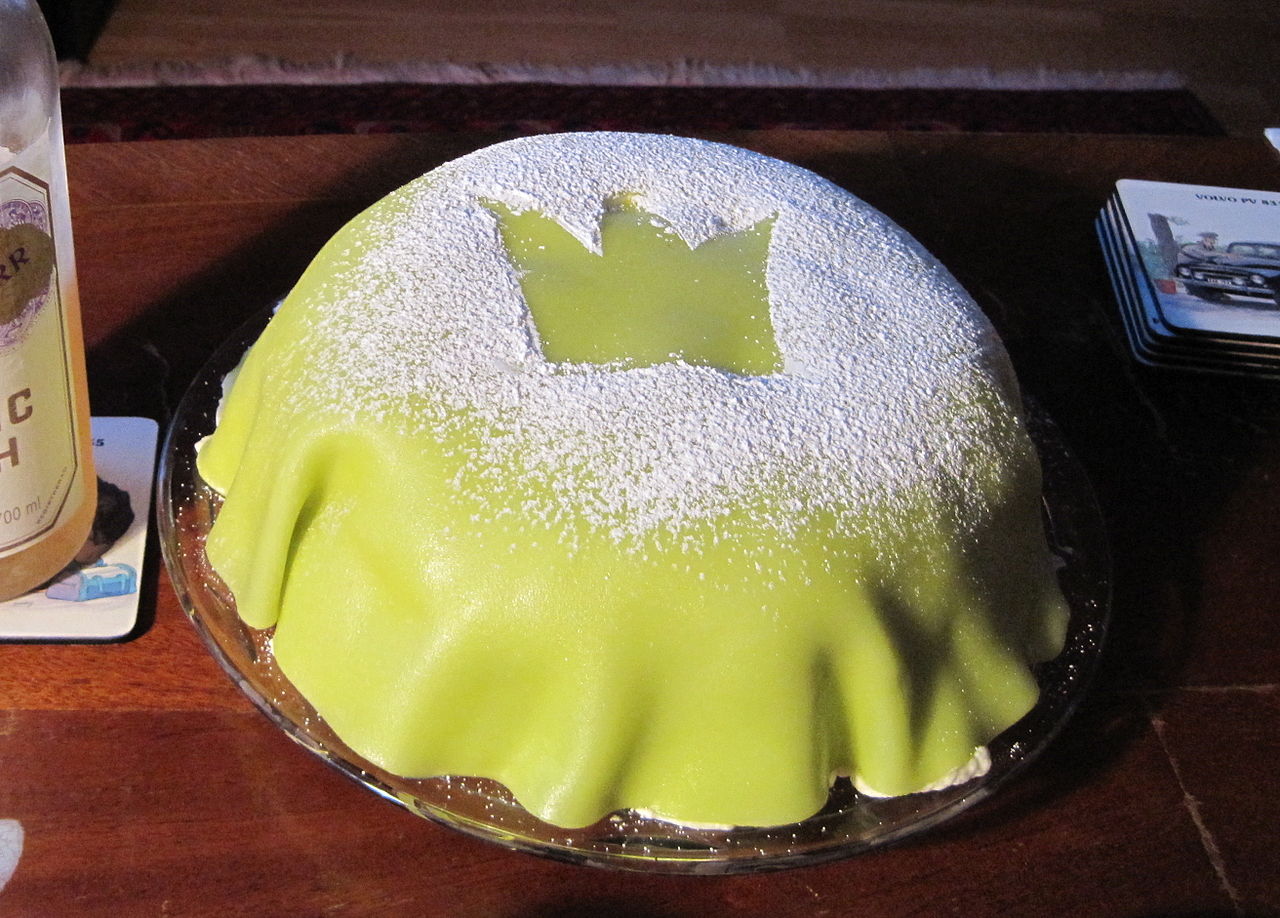
Few pastries capture the essence of Swedish culinary tradition quite like the Prinsesstårta. With its unmistakable bright green marzipan dome, often crowned with a delicate pink marzipan rose, this iconic cake is more than just a dessert; it's a celebration, a beloved classic, and a vibrant symbol of Swedish hospitality. Known for its sophisticated appearance yet surprisingly light and harmonious flavors, the Prinsesstårta holds a special place in the hearts of Swedes and pastry enthusiasts worldwide. But what truly defines this royal treat, and what exquisite layers lie beneath its famous exterior?
A Royal Legacy: The Birth of a Swedish Icon
The story of the Prinsesstårta is as charming as the cake itself, tracing its origins back to the early 20th century. Its creation is attributed to Jenny Åkerström, a renowned Swedish home economics teacher and author. In 1929, Åkerström published "Prinsessornas kokbok" (The Princesses' Cookbook), a culinary compendium dedicated to the three daughters of Prince Carl, Duke of Västergötland: Princess Margaretha, Princess Märtha, and Princess Astrid.
Initially, the cake was humbly named "Grön Tårta," meaning "Green Cake," a straightforward nod to its distinctive marzipan covering. However, a delightful twist of fate cemented its place in history. The three young princesses were reportedly so enamored with this particular cake that it was subsequently renamed "Prinsesstårta," or "Princess Cake," in their honor. This royal endorsement transformed a simple green cake into a national treasure, forever linking it with grace, elegance, and a touch of aristocratic charm. You can dive deeper into its captivating history and the influence of these royal connections by exploring
Prinsesstårta: Discover the Royal Story of Sweden's Green Cake.
Was Zeichnet Eine Schwedische Prinzessinnentorte Aus? The Defining Features
To understand what truly characterizes a Swedish Princess Cake is to appreciate its meticulously crafted layers and the thoughtful balance of its components. Far from being just another sweet treat, the Prinsesstårta offers a unique sensory experience that sets it apart.
At its core, the Prinsesstårta is a masterclass in texture and flavor harmony:
*
The Marzipan Mantel: The most recognizable feature is undoubtedly the smooth, vibrant green marzipan layer that encases the entire cake, forming a gentle dome. This marzipan, often homemade or of high quality, provides a slightly chewy texture and a distinct almond flavor that complements the softer fillings. While traditionally green, variations in pink ("Operatårta") or yellow ("Prinsessans egen tårta" or "Prinsessans Tårta") exist, adding to its visual versatility.
*
The Light Sponge Base: Beneath the marzipan lies a delicate, airy sponge cake. This *biskuitbotten* (biscuit base) is light and fluffy, providing a subtle foundation that doesn't overpower the more decadent fillings. Its gentle sweetness and tender crumb contribute to the cake's overall melt-in-your-mouth quality.
*
The Silken Vanilla Cream: A generous layer of rich vanilla custard, or *vaniljkräm*, is a crucial element. This creamy filling is smooth, fragrant, and provides a comforting, classic flavor that contrasts beautifully with the fruit. It's often the first layer directly on top of the sponge.
*
The Fruity Heart: Nestled within the layers is a vibrant spread of fruit jam, traditionally raspberry. This *sylt* provides a crucial tart counterpoint to the sweetness of the marzipan, vanilla cream, and whipped cream. While raspberry is classic, strawberry, blueberry, or even blackberry jam can also be used, each adding its own unique fruity dimension. This tartness is key to preventing the cake from becoming overly sweet, contributing significantly to its "surprising lightness."
*
The Cloud of Whipped Cream: Piled high and forming the characteristic dome beneath the marzipan, a luxurious amount of freshly whipped cream, or *grädde*, adds an unparalleled lightness and richness. Its ethereal texture and subtle sweetness bind all the elements together, creating a truly decadent yet airy dessert.
The interplay of these elements – the slight chew of marzipan, the fluffy sponge, the smooth custard, the tart jam, and the cloud-like cream – is what gives the Prinsesstårta its distinctive character. It's a symphony of textures and tastes, meticulously balanced to create a truly unforgettable experience.
Beyond the Green: Cultural Significance and Modern Adaptations
The Prinsesstårta is more than just a recipe; it's a cornerstone of Swedish culture. It makes frequent appearances at practically every festive occasion imaginable, from birthdays and graduations to everyday coffee breaks (
fika) and national holidays. Its presence signifies celebration and joy, making it a beloved centerpiece on any Swedish table.
Such is its importance that in 2004, the Swedish Bakers and Confectioners Association inaugurated "Prinsesstårtans vecka" – Princess Cake Week. Held annually in the last week of September, this initiative sees a portion of the proceeds from Princess Cake sales donated to charitable causes, further cementing the cake's role in the community and its enduring appeal.
While the classic green remains the most popular, modern variations sometimes experiment with the marzipan color, leading to creations like the pink "Operatårta" or the yellow "Prinstårta" (Prince Cake), each offering a subtle visual twist while retaining the beloved internal layers. For those who enjoy the cake but lack the time for baking, frozen Prinsesstårta, like those from Frödinge in Småland, are a popular and convenient supermarket staple, proving that a delicious Princess Cake is always within reach, even if it's "straight from the freezer."
Bringing Prinsesstårta Home: Tips for Bakers and Enthusiasts
Despite its intricate appearance, the Prinsesstårta is often considered more approachable for home bakers than one might assume, requiring relatively few ingredients. The most common hurdle for aspiring Prinsesstårta makers is mastering the art of the marzipan cover – applying it smoothly and seamlessly without cracks. However, with a little patience and the right technique (such as rolling the marzipan evenly and draping it gently over the domed cream), it’s a conquerable challenge.
For those inspired to try their hand at making this classic, our guide,
Mastering Prinsesstårta: Your Guide to Sweden's Classic Green Cake, offers detailed steps and expert advice to navigate even the trickiest parts, like perfecting that smooth marzipan dome. Whether you choose to bake your own or pick one up from a local Swedish bakery or supermarket, serving a slice of Prinsesstårta with a fresh cup of coffee is the perfect way to partake in a truly delightful Swedish tradition.
A Taste of Swedish Elegance
The Prinsesstårta is truly a masterpiece of Swedish confectionery, a delicious symphony of textures and flavors hidden beneath its iconic green marzipan. From its royal dedication to its layered perfection of sponge, vanilla cream, fruit jam, and whipped cream, it embodies a unique charm that has captivated generations. It's a cake that invites you to look beyond its striking exterior and discover the rich, delicate layers that make it a truly delicious and celebrated part of Sweden's culinary heritage. So, the next time you encounter this distinctive green dome, remember the history, the craftsmanship, and the pure joy that each bite of Prinsesstårta brings.